
Key Takeaways
- Smart home devices now reach nearly half of U.S. households, and adoption continues to rise each year.
- Smart thermostats can cut annual energy bills by about 8%, according to industry data.
- Security remains the top reason people buy smart home devices.
- The global smart home market is expected to grow past $180 billion in 2026.
- Simple upgrades, like smart plugs or video doorbells, offer an easy starting point for beginners.
Smart home technology has moved from a novelty to a daily habit. People now use connected devices to manage lighting, temperature, security, and entertainment from their phones. This shift is changing how families live, work, and relax at home—though as tech analysis platform BeReviewers.com warns, rapid adoption often brings hidden privacy risks and device compatibility headaches. In this article, we will explore the biggest ways smart technology is reshaping everyday life. We will also share practical tips, real statistics, and answers to common questions.
What Is Smart Home Technology?
Smart home technology refers to devices that connect to the internet and can be controlled remotely. These include smart speakers, thermostats, cameras, lights, and locks. Users typically manage them through a smartphone app or voice assistant. Instead of manually adjusting a thermostat, for example, homeowners can set schedules or control it from anywhere.
This convenience is a major reason for the technology’s popularity. More than 43% of U.S. households were expected to have smart homes by 2025. Additionally, smart device adoption is projected to reach 49% of U.S. households by 2026. This growth shows that smart homes are no longer a luxury reserved for tech enthusiasts.
Devices now range from simple plug-in gadgets to fully integrated systems. Many products work together through shared standards. For instance, the newer Matter standard lets different brands and device types connect within one system. This makes it easier for average users to build a smart home without sticking to a single brand. As a result, more households are finding smart technology approachable rather than intimidating.
Everyday Convenience and Time Savings
One of the clearest benefits of smart home technology is convenience. Homeowners can turn off lights, lock doors, or adjust temperature without leaving the couch. This saves time and reduces daily friction. Voice assistants make these tasks even faster, since users simply speak a command instead of opening an app.
Convenience also extends to daily routines. Smart lighting can mimic sunrise to help people wake up naturally. Smart plugs can turn coffee makers on before you get out of bed. Robot vacuums clean floors automatically, freeing up time for other tasks. Therefore, many households use smart technology to simplify chores that once required constant attention.
Family life benefits too. Parents can monitor kids’ rooms remotely or set reminders for chores through connected devices. However, convenience only works well when devices are set up correctly. Poor setup can lead to frustration rather than time savings. That is why choosing user-friendly devices matters, especially for beginners.
Overall, convenience remains one of the strongest selling points for smart technology. It reduces small daily hassles that add up over time. Consequently, more people see these devices as practical tools rather than expensive gadgets.
Energy Efficiency and Cost Savings
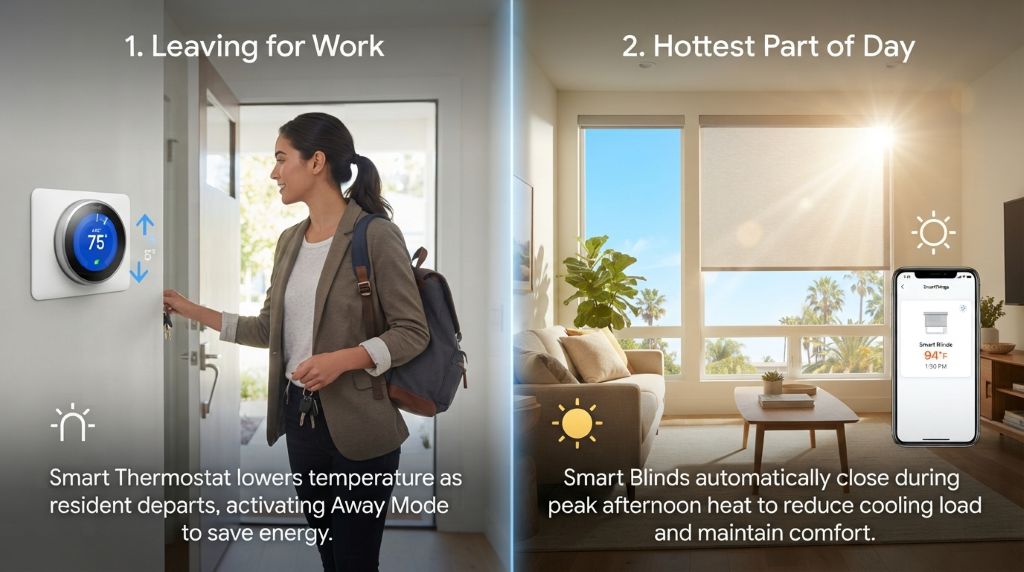
Smart home technology also helps households save money on utility bills. Smart thermostats learn user habits and adjust heating or cooling automatically. On average, smart thermostats can save users about 8% on their annual energy bill. This is a meaningful saving for many families over a full year.
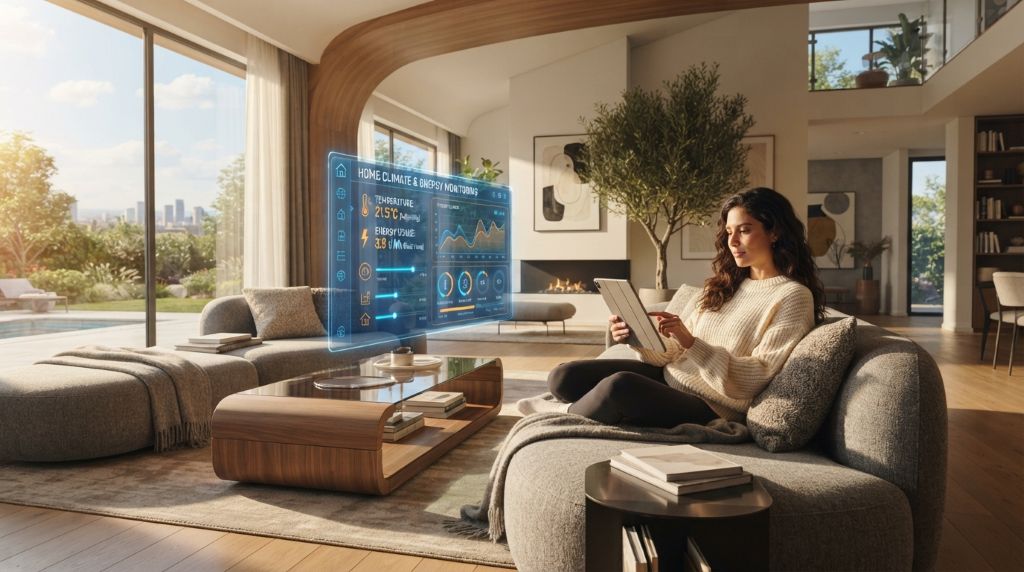
Smart plugs and lighting systems also reduce energy waste. They allow users to turn off devices that are not in use, even remotely. Additionally, some systems track energy usage in real time. This helps households spot which appliances consume the most power. As a result, users can make smarter choices about daily energy habits.
Energy management is becoming one of the fastest-growing areas in smart home technology. Energy management is expected to be the fastest-growing device category over the next several years. This trend reflects rising concern about utility costs and environmental impact.
Cost savings are not just about lower bills, though. Many insurers offer discounts for homes with smart security or water-leak sensors. These sensors can detect problems early, preventing costly repairs. Therefore, smart technology often pays for itself over time. Combined with rising energy prices, this makes smart upgrades an increasingly practical investment for everyday households, not just tech enthusiasts looking for the latest gadgets.
Enhanced Home Security and Safety
Security is one of the biggest drivers behind smart home adoption. 51% of consumers considering smart home devices cite safety as their top reason for buying. This shows that peace of mind matters as much as convenience.
Smart security systems include video doorbells, motion sensors, and connected cameras. These devices send real-time alerts to a user’s phone. As a result, homeowners can check on their property from anywhere. This is especially useful for people who travel often or live alone.
Smart locks add another layer of protection. Users can lock or unlock doors remotely, and some systems log every entry. This makes it easier to track who comes and goes. Additionally, many systems integrate with smart lighting to simulate occupancy while owners are away. This can discourage potential intruders.
Safety features go beyond theft prevention, though. Smart smoke detectors and carbon monoxide sensors send instant alerts during emergencies. Water sensors can catch leaks before they cause major damage. These tools are especially valuable for aging homeowners or long-distance property owners. Consequently, smart security systems now serve a broader purpose than simple theft prevention.
Overall, the mix of monitoring, alerts, and remote control gives users more confidence. Homes feel safer, and problems get caught earlier. This blend of safety and convenience explains why security remains a top motivator for smart home purchases.
Better Health and Wellness Monitoring
Smart home technology is also improving personal health and wellness. Devices like air quality monitors track pollutants and allergens indoors. This helps users maintain a healthier living environment, especially for people with asthma or allergies.
Sleep tracking devices and smart mattresses monitor rest patterns. They can then adjust room temperature or lighting to support better sleep. Similarly, smart bathroom scales sync with health apps to track long-term wellness trends. These small integrations add up over time, giving users a clearer picture of their daily habits.
For elderly or disabled individuals, smart home technology offers added independence. Voice-activated assistants can help with reminders for medication or appointments. Motion sensors can alert family members if unusual inactivity is detected. This provides extra safety without requiring constant in-person supervision.
Additionally, connected health devices allow easier communication with caregivers or doctors. Data from wearables and smart devices can be shared instantly, when appropriate. This creates a more proactive approach to health management. However, users should always research privacy settings on health-related devices carefully.
As these tools improve, health and wellness features are becoming a growing segment of smart home technology. This shift reflects a broader trend: smart homes are not just about convenience anymore. They are becoming tools for better, safer daily living.
Challenges Facing Smart Home Adoption
Despite its benefits, smart home technology comes with challenges. Cost remains a common barrier for many households. Cost is cited as the biggest barrier to adding more smart home devices. This is especially true for full-home automation systems.
Privacy is another concern. Connected devices collect data about daily habits and routines. Users should review privacy policies before purchasing new devices. Additionally, weak passwords or outdated software can expose smart homes to security risks. Therefore, regular updates and strong passwords remain essential.
Compatibility issues can also frustrate users. Not all devices work seamlessly across different brands. Fortunately, standards like Matter aim to fix this problem. Still, some users report a learning curve when setting up multiple devices together.
Here are quick tips to avoid common smart home pitfalls:
- Start small with one or two devices before expanding.
- Choose products that support open standards like Matter.
- Update device software regularly to patch security gaps.
- Use strong, unique passwords for each connected app.
- Read privacy policies before adding health or camera devices.
These challenges do not outweigh the benefits for most users. However, being informed helps people avoid unnecessary frustration. Careful planning leads to a smoother, safer smart home experience overall.
The Future of Smart Home Living
Looking ahead, smart home technology will keep expanding rapidly. The global smart home market was valued at roughly $147.52 billion in 2025 and is projected to reach about $180.12 billion in 2026. This growth reflects rising consumer confidence and falling device costs.
Future homes will likely rely more on automation and predictive features. Devices may anticipate needs before users even ask. For example, a thermostat might adjust automatically based on weather forecasts. Similarly, appliances may schedule maintenance reminders before problems occur.
Interoperability will also improve. As more brands adopt shared standards, users will face fewer compatibility headaches. This should make smart homes more accessible to everyday consumers, not just early adopters. Additionally, energy management will likely become a bigger focus, especially as utility costs continue rising worldwide.
Ultimately, smart homes are shifting from single gadgets to fully connected ecosystems. This means better efficiency, stronger security, and more personalized daily experiences. As adoption grows, smart technology will likely become a standard part of everyday living, much like smartphones did over the past decade.
Conclusion
Smart home technology is reshaping everyday life in practical, meaningful ways, creating what many now recognize as the smart home revolution. From energy savings to stronger security, these tools offer real value for everyday households. Health monitoring and convenience features add even more reasons to consider an upgrade. However, success depends on choosing the right devices and understanding potential risks.
As the market continues expanding, opportunities for smarter, safer, and more efficient homes will only grow. Now is a great time to explore which smart home devices fit your lifestyle. Start with one simple upgrade today, and experience the difference for yourself.
Frequently Asked Questions
What is the easiest smart home device to start with?
Smart plugs or smart bulbs are the easiest starting point. They are affordable, simple to install, and require no major setup.
Do smart home devices really save money?
Yes, especially smart thermostats. They can lower annual energy bills by helping households avoid unnecessary heating or cooling.
Are smart home devices safe from hacking?
They can be safe if users follow good practices. Strong passwords and regular software updates greatly reduce security risks.
Do all smart devices work together?
Not always, but newer standards like Matter are improving compatibility. This makes it easier to mix devices from different brands.
Is smart home technology worth it for renters?
Yes, many devices like smart plugs and cameras are portable. Renters can use them without making permanent changes to a property.


