

Leopard geckos are among the most popular reptiles kept as pets, thanks to their docile nature, vivid coloration, and unique nocturnal habits. But why are they nocturnal, and how does this affect their behavior, care, and overall well-being in captivity? In this article, we’ll dive deep into the fascinating world of leopard geckos, exploring why they are nocturnal creatures and how this trait influences their daily life. We’ll also address some common questions that pet owners have about their nocturnal lifestyle and offer tips for creating the perfect habitat for your gecko.
If you’re interested in understanding animal behaviors more deeply, explore Greateryellowstonescience to learn more about the diverse ecosystems in which creatures like leopard geckos thrive.
Are Leopard Geckos Nocturnal? A Deep Dive into Their Nighttime Lives
Leopard geckos are undeniably nocturnal creatures. Unlike many other reptiles that bask in the sun during the day, leopard geckos are most active during the night. This unique behavior is rooted in their evolutionary biology and habitat requirements. In the wild, these geckos are native to regions of South Asia, where they inhabit rocky, arid environments with little to no sunlight reaching the ground during the cooler night hours.
Why Are Leopard Geckos Nocturnal?
There are several key reasons that explain why leopard geckos are nocturnal. The most important factors are temperature regulation, predator avoidance, and hunting habits.
- Temperature Regulation: Leopard geckos are ectothermic, meaning they rely on external sources to regulate their body temperature. The nighttime environment in their native regions is cooler, allowing them to avoid overheating, especially in the hot desert climates they come from.
- Predator Avoidance: Being active at night helps leopard geckos avoid predators like birds of prey, larger reptiles, and other animals that are more active during the day. Nighttime activity increases their chances of survival by reducing the risk of being spotted by these predators.
- Hunting Habits: Leopard geckos are insectivores, and many of their favorite prey, such as crickets and worms, are also more active at night. As nocturnal hunters, leopard geckos have adapted to thrive in low-light conditions, using their keen sense of smell and specialized eyesight to catch their food efficiently during the night.
What Does Being Nocturnal Mean for Leopard Geckos in Captivity?
As nocturnal animals, leopard geckos need to follow a nighttime schedule even in captivity. This means that as a pet owner, it’s important to replicate their natural habitat as closely as possible. Providing a suitable day-night cycle, creating optimal temperature gradients, and ensuring they have access to nighttime food sources are key to maintaining their health and well-being.
Leopard Geckos Sleep Patterns
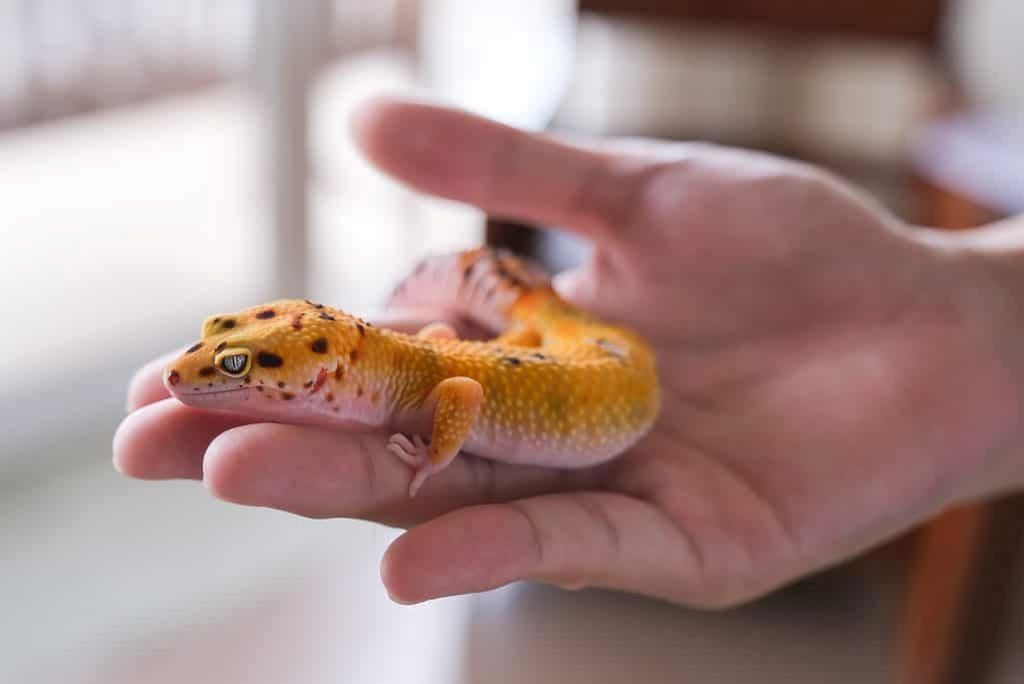
Leopard geckos sleep during the day, often retreating to their hides or resting under rocks, logs, or any suitable shelter you provide in their enclosure. They typically sleep for 12-14 hours each day, which is similar to the sleep patterns of many nocturnal animals.
During their sleep cycle, leopard geckos will exhibit periods of deep rest, interrupted occasionally by light movements or adjusting their position. The sleep patterns of geckos are not entirely uniform, as they may wake up briefly to move around or check their environment, but they usually return to their resting spots shortly after.
Can You Keep Leopard Geckos Active During the Day?
While it is tempting to interact with your leopard gecko during the day, it is essential to respect their nocturnal nature. Trying to keep them active during daylight hours can lead to stress, health issues, and a decline in overall well-being. Instead, it is best to observe them during their active nighttime hours and provide an enriched environment that allows them to behave as they would in the wild.
Creating the Perfect Habitat for Your Nocturnal Leopard Gecko
To cater to the nocturnal nature of leopard geckos, setting up their enclosure properly is crucial. Here are a few tips:
- Lighting: Unlike many reptiles, leopard geckos do not need UVB lighting. They are adapted to live in the dark, so their needs can be met with a low-intensity light during the day for visibility. At night, you can use a dim, red light if you wish to observe them without disturbing their natural circadian rhythm.
- Temperature Gradient: To simulate the desert environment they are accustomed to, ensure your gecko’s enclosure has a temperature gradient. The warm side should be between 88-92°F (31-33°C), while the cool side should range from 75-80°F (24-27°C). At night, it’s perfectly fine for the temperature to drop a little.
- Hides and Shelter: Leopard geckos are shy and prefer hiding places during the day. Provide them with several shelters to choose from, such as caves, hollow logs, and stones, to mimic their natural environment and help them feel secure.
- Feeding Schedule: Since leopard geckos are nocturnal hunters, it’s best to feed them during their active hours at night. This aligns with their natural behavior and encourages them to eat more effectively.
How Do Leopard Geckos Adapt to Captivity?
Though leopard geckos are nocturnal in the wild, they quickly adapt to the rhythms of captivity. Pet geckos that are cared for properly will exhibit typical nocturnal behavior, becoming active when the lights go off. However, they also exhibit behaviors that reflect the changes in their environment. Leopard geckos that experience stress from improper housing conditions, such as inadequate temperatures, insufficient hiding spaces, or improper lighting, may become lethargic during the night and day, indicating they are not following their natural schedule.
Are Leopard Geckos Nocturnal During Breeding?
Interestingly, leopard geckos tend to maintain their nocturnal habits even during breeding season. They will become more active in the evening, seeking mates, which is typical of their behavior throughout the year. If you are breeding geckos, it’s important to keep them in a suitable environment that respects their nocturnal habits, ensuring the breeding process goes smoothly.
Leopard Geckos and Their Sensitivity to Light
Unlike humans and many other pets, leopard geckos do not have a circadian rhythm that requires bright daylight hours. Their eyes are adapted to low light, and they have a special layer of tissue called the tapetum lucidum that allows them to see in the dark. This is why they are so efficient in catching insects at night.
Why Are Snow Leopards Endangered?
In a broader context of endangered species, it’s interesting to look at other nocturnal creatures like the snow leopard. These majestic animals face significant threats from habitat loss, poaching, and human-wildlife conflict. If you’re curious about the snow leopard’s endangered status, visit the article on why are snow leopards endangered to understand more about their plight and what we can do to help conserve them.
The Fascinating Evolution of Leopard Geckos’ Nocturnal Behavior
The nocturnal behavior of leopard geckos has evolved as an adaptation to their natural habitat. In their natural habitats, such as deserts and dry grasslands, temperatures vary greatly. Days are intensely hot, while nights bring much cooler conditions. By being nocturnal, they can avoid the scorching sun and make use of cooler, safer conditions to forage, hunt, and mate.
This evolutionary trait has allowed leopard geckos to thrive in harsh environments that would otherwise be inhospitable during the day. Over time, their eyes have adapted to detect movement in low light, and their behavior has become suited to a nighttime lifestyle.
People Also Loved: Skyrocket Your Instagram Followers With These 8 Growth Tips From Experts
Conclusion
Leopard geckos are undoubtedly fascinating nocturnal creatures that thrive in the dark. Understanding their nocturnal habits is key to providing them with the best care and ensuring their happiness in captivity. Respecting their natural rhythms is key to creating an ideal habitat for your gecko. Providing appropriate lighting, temperature gradients, and hiding spots mimics the conditions of the wild.
Whether you’re a seasoned reptile keeper or a first-time leopard gecko owner, it’s important to appreciate their nocturnal nature. Supporting this behavior helps ensure they live a long and healthy life. So, let them rest during the day and come to life at night!