
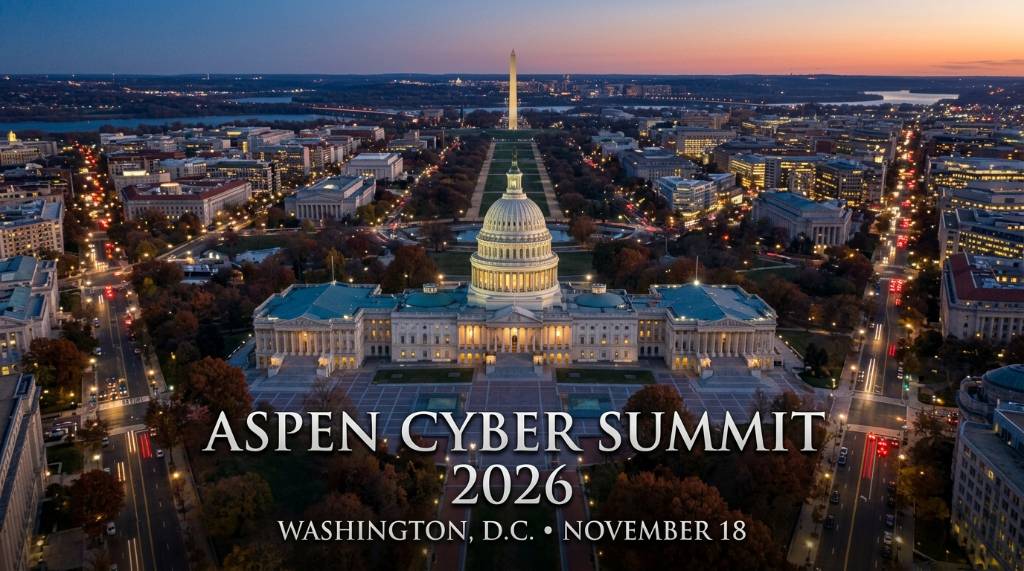
The digital world moves fast. So do the threats hiding inside it. Each year, one event rises above the noise to bring the sharpest minds in cybersecurity together under one roof. The Aspen Cyber Summit 2026 is that event. Scheduled for November 18, 2026, at Capital Turnaround in Washington, D.C., this gathering promises to be one of the most important days on the cybersecurity calendar.
Whether you are a government official, a corporate executive, a researcher, or a student breaking into the field, this guide covers everything you need to know. From event details and registration steps to agenda highlights and practical tips, read on to plan your experience fully.
What Is the Aspen Cyber Summit?
The Aspen Cyber Summit is the nation’s premier annual technology and cybersecurity policy gathering. Organized by the Aspen Institute, the event has been running since 2016. It started as a focused policy forum and grew into a flagship conference that shapes how governments and industries respond to digital threats.
In 2026, the summit enters its 11th year. That milestone alone signals how much trust the cybersecurity community has placed in this event. Each edition has brought together global experts, senior government officials, Fortune 100 executives, and civil society advocates. The goal has always remained the same: build a safer world, online and off.
This is not a trade show. It is not a sales pitch. It is a space for honest, high-level dialogue. The conversations that happen here often shape policy decisions that affect millions of people.
Event Details at a Glance
Before diving deeper, here is a quick summary of the essential facts for 2026.
| Detail | Information |
| Event Name | Aspen Cyber Summit 2026 |
| Date | Wednesday, November 18, 2026 |
| Start Time | 8:00 AM EST |
| Location | Capital Turnaround, Washington, D.C. |
| Format | In-person and Virtual |
| Organizer | The Aspen Institute (Aspen Digital) |
| Official Website | aspencybersummit.org |
The Capital Turnaround is a historic venue in the heart of Washington, D.C. It offers a fitting backdrop for a summit that sits at the intersection of policy and technology. The building’s industrial character pairs well with the summit’s no-nonsense approach to tackling digital security.
Why the 2026 Summit Matters
Cyber threats have never been more complex. Nation-state attacks are growing in sophistication. Artificial intelligence is being woven into both defense systems and attack strategies. Ransomware continues to disrupt hospitals, schools, and critical infrastructure. Meanwhile, policy frameworks are struggling to keep up.
The 2026 summit arrives at a pivotal moment. Organizers have made clear that the focus this year moves beyond identifying risks. The emphasis shifts to actionable, cross-sector solutions. That is a meaningful change in tone. Rather than simply mapping the problem, leaders will be pressed to commit to real outcomes.
Additionally, the global nature of cyber threats means no country can afford to work alone. The summit consistently brings in voices from allied nations. This international perspective adds depth to every conversation on stage.

Speakers: Who Takes the Stage?
Confirmed speaker details for the 2026 edition are still being finalized as of October 2026. However, based on the pattern established by previous years, the speaker list typically features a strong mix of government officials, private sector leaders, and independent experts.
Past headliners have included figures such as:
- General (ret.) Paul M. Nakasone, former Commander of US Cyber Command
- Brett Leatherman, Assistant Director of the FBI Cyber Division
- David Koh, Chief Executive of the Cyber Security Agency of Singapore
- Nate Fick, former US Ambassador at Large for Cyberspace and Digital Policy
- Nicole Perlroth, cybersecurity author and venture partner
For 2026, expect a similarly impressive roster. Speakers are drawn from the White House, allied governments, Congress, major tech companies, and civil society organizations. Updates are posted regularly on the official event website. Checking there frequently is the best way to stay current on confirmed names.
The summit also makes room for emerging voices. The Scholars Program, for example, invites young cybersecurity professionals to attend and engage. This creates a productive mix of established authority and fresh perspective on the same stage.
Agenda Overview: What to Expect on November 18
A full agenda for the 2026 summit has not yet been published. That said, the format follows a well-established structure. Here is what attendees can generally expect throughout the day.
| Time Slot | Session Type |
| 8:00 AM | Registration and Morning Networking |
| 9:00 AM | Opening Keynote and Welcome Remarks |
| 10:00 AM | Panel Discussions: AI and National Security |
| 11:30 AM | Fireside Chat: Global Cyber Policy |
| 12:30 PM | Lunchtime Roundtables |
| 2:00 PM | Afternoon Sessions: Critical Infrastructure |
| 3:30 PM | Cross-Sector Dialogue: Public-Private Partnerships |
| 5:00 PM | Closing Keynote and Networking Reception |
Lunchtime roundtables deserve special mention. They are among the most valued parts of the day. Small groups gather with senior leaders for candid, off-stage conversations. These sessions give attendees a chance to engage directly, ask real questions, and make lasting professional connections.
The virtual stream allows remote participants to follow keynotes and major panels in real time. However, in-person attendance is the only way to access roundtables and networking events. Therefore, those who can attend in person should strongly consider doing so.
Key Themes for 2026
Several major themes are expected to anchor the agenda this year. These topics reflect the most pressing issues in digital security right now.
Artificial intelligence and cybersecurity is the dominant thread. AI tools are helping defenders spot threats faster. At the same time, attackers are using AI to automate phishing campaigns and find vulnerabilities at scale. Understanding this dual reality is critical.
Critical infrastructure protection is another central concern. Power grids, water systems, hospitals, and financial networks all face persistent threats. Discussions will likely focus on what governments and operators can do to harden these systems effectively.
International cooperation will also take center stage. Cyber threats cross borders freely. Responses, however, are often fragmented. The summit provides a rare opportunity to bring allied nations into direct conversation with US leaders.
Supply chain security, election integrity, and cyber workforce development are additional topics that typically receive significant attention. Each one has direct consequences for citizens, businesses, and governments alike.
Registration: How to Sign Up
Registration for the 2026 Aspen Cyber Summit is open. You can register through the official website at aspencybersummit.org. The process is straightforward, but a few things are worth knowing before you begin.
Registration pricing varies by attendee category. Based on pricing structures from previous years, the following tiers apply. Note that early registration always offers the best rates, so acting early is advisable.
| Attendee Type | Early Rate (Approximate) | Standard Rate (Approximate) |
| Student | $76 – $85 | $95 |
| Government | $85 – $95 | $100 |
| Nonprofit / Academic | $140 – $155 | $170 |
| Small Business | $270 – $300 | $330 |
Exact 2026 pricing should be confirmed directly on the official site, as rates may have been updated. The summit also occasionally offers scholarship opportunities and sponsored tickets for qualifying participants.
Virtual attendance may be available at a lower price point or at no cost for certain sessions. Check the website for current virtual access options.
The Aspen Cyber Scholars Program
One standout feature of the summit is the Scholars Program. Applications for the 2026 cohort were open until July 31, 2026. This program gives young cybersecurity professionals the chance to attend the summit, engage with senior experts, and connect with peers who share their passion for digital security.
Scholars gain access to the full summit experience, including panels, roundtables, and networking. It is an excellent opportunity for early-career professionals who might not otherwise have a seat at the table. Those interested in future years should bookmark the program page and apply early.

Practical Tips for Attendees
Attending a summit of this scale requires some preparation. A few practical steps can make the day significantly more rewarding.
Plan your travel early. Washington, D.C. is a busy city, and mid-November can be particularly hectic with conferences and government schedules. Book flights and hotels as soon as your registration is confirmed.
Review the agenda in advance. When the full agenda is released, read it carefully. Identify the sessions most relevant to your work. Prioritize those, but also leave room for spontaneous conversations.
Bring business cards or a digital contact-sharing method. The networking value of this summit is enormous. However, connections fade quickly without follow-up. Collect contact details throughout the day and send a brief message within 48 hours of the event.
Engage with the Scholars and emerging voices. Some of the most interesting conversations happen away from the main stage. Young professionals often bring creative perspectives that challenge conventional thinking.
If you are attending virtually, set up your viewing environment in advance. Test your connection, close unnecessary tabs, and treat the virtual sessions with the same focus you would give an in-person event.
Why Attend in 2026 Specifically?
The 2026 summit is the 11th edition of a conference that has steadily grown in influence. Each year builds on the last. The conversations that happened in 2025 will be revisited and advanced here. Commitments made by leaders in past years will be measured against what has actually happened.
Furthermore, the current political and technological landscape makes this summit especially timely. AI governance is a live debate. International cyber agreements are under negotiation. Domestic policy on data security is evolving. Attending in 2026 means being present at a moment of genuine consequence.
The summit also offers something rarer than information. It offers perspective. Sitting in a room with the people actually navigating these challenges changes how you understand the problems. That kind of learning cannot come from a newsletter or a podcast.
Conclusion
The Aspen Cyber Summit 2026 takes place on November 18, 2026, at Capital Turnaround in Washington, D.C. It is the 11th edition of the nation’s most respected annual gathering on cybersecurity policy. The event brings together government officials, private sector leaders, international partners, and civil society voices to work toward real solutions to digital threats.
Key themes include artificial intelligence, critical infrastructure, international cooperation, and workforce development. Registration is open now, with tiered pricing for different attendee categories. The Scholars Program offers young professionals a funded pathway to attend. Whether you join in person or virtually, this summit is one of the best investments you can make in staying ahead of the challenges shaping the digital world.
Frequently Asked Questions
When is the Aspen Cyber Summit 2026?
The event takes place on Wednesday, November 18, 2026.
Where is the 2026 summit being held?
It is held at Capital Turnaround in Washington, D.C. Virtual attendance is also available.
Who organizes the Aspen Cyber Summit?
The Aspen Institute, through its Aspen Digital program, organizes the event each year.
How do I register for the summit?
Registration is available through the official website at aspencybersummit.org.
How much does registration cost?
Prices vary by category. Students start at around $76, government attendees at around $85, nonprofits at around $140, and small businesses at around $270 for early registration.
Who typically speaks at the summit?
Speakers include senior government officials, White House leaders, Fortune 100 executives, national security experts, and international cyber policy leaders.
Is there a virtual attendance option?
The summit offers virtual access to keynote sessions and major panels for remote attendees.
What is the Aspen Cyber Scholars Program?
It is a program that supports young cybersecurity professionals by providing access to the full summit experience. Applications typically open in the summer before the event.
What topics does the summit typically cover?
Common themes include AI and cybersecurity, critical infrastructure protection, international cyber cooperation, ransomware policy, supply chain security, and workforce development.
Can I watch recordings of past summits?
Recordings from previous editions are available on the Aspen Digital website for those who could not attend in person.