

Video editing demand continues growing as businesses, creators, and agencies publish fresh content every day. Recent industry reports show that online video represents more than 80% of internet traffic, while audiences retain visual content better than plain text. Therefore, faster editing workflows directly improve productivity and content quality. Professionals also benefit from reliable hardware, including the best intel i7 for content creation, because dependable performance reduces delays during demanding editing sessions. This guide explains practical methods that help editors complete projects faster without sacrificing quality.
Build a Faster Editing Workflow Before Opening Your Project
Successful editors save valuable hours by planning every production stage before importing a single media file. Clear organization eliminates confusion and keeps every editing session focused from beginning to end.
Create dedicated folders for footage, music, graphics, exports, and project backups before recording new content. Likewise, exploring creative workflows like Naruto vs One Piece production ideas encourages structured project planning that improves editing efficiency.
Rename clips immediately after importing them into your editing software for quicker searches during production. Consequently, organized assets reduce unnecessary scrolling and prevent mistakes when handling large video libraries.
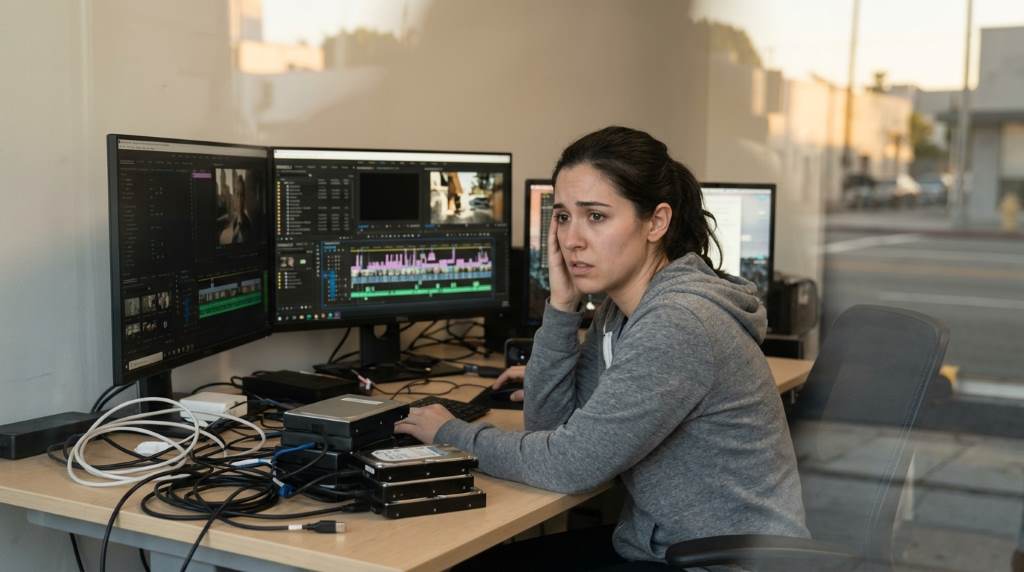
Create Consistent Folder Structures
- Separate raw footage by camera.
- Store audio inside dedicated folders.
- Keep graphics in organized categories.
- Save exports using clear version numbers.
- Maintain automatic backup folders.
Choose Hardware That Keeps Every Timeline Responsive
Powerful hardware significantly shortens rendering times and improves playback performance during demanding editing sessions. Balanced components deliver better overall performance than upgrading only one expensive part.
Install sufficient memory, use fast solid state storage, and select a capable graphics card for smoother editing. Additionally, reviewing the best fan configuration helps maintain lower temperatures that sustain reliable editing performance throughout long workdays.
Editors working in Los Angeles often manage multiple client projects with high resolution footage every week. Therefore, dependable systems prevent frustrating delays while supporting demanding commercial production schedules.
Essential Hardware Priorities
- Multi core processor.
- Fast NVMe storage.
- Dedicated graphics processing unit.
- At least thirty two gigabytes of memory.
- Color accurate display.
Optimize Software Settings for Better Performance
Editing software includes several performance settings that many users never adjust after installation. Proper configuration improves playback while reducing unnecessary processing during everyday editing tasks.
Generate proxy media whenever projects include high resolution footage from modern cameras or drones. Furthermore, troubleshooting resources like the Snapchat camera zoom guide demonstrate how software optimization often resolves frustrating performance issues.
Clear media caches regularly because oversized temporary files eventually slow application performance over extended periods. As a result, editing programs remain responsive during demanding creative sessions.
Helpful Software Adjustments
- Enable hardware acceleration.
- Create proxy files.
- Reduce playback resolution.
- Delete unused cache files.
- Update editing applications regularly.
Organize Media Like a Professional Editor
Media organization influences editing speed more than many beginners initially expect during complex production work. Organized projects reduce frustration while improving collaboration across creative teams.
Apply consistent color labels for interviews, b roll, graphics, music, and completed sequences throughout every project. Consequently, locating specific assets becomes much easier during revision requests.
Use searchable keywords and descriptive metadata whenever your editing software supports advanced media management features. Likewise, smart organization reduces duplicated work across future productions.
Smart Asset Management Tips
- Use descriptive filenames.
- Add searchable keywords.
- Archive completed projects.
- Separate licensed media.
- Delete duplicate clips.
Master Keyboard Shortcuts Every Day
Keyboard shortcuts eliminate countless unnecessary mouse movements during long editing sessions with multiple revisions. Small improvements eventually create significant productivity gains across every completed project.
Learn five new shortcuts every week until common editing actions become automatic muscle memory. Therefore, repetitive tasks require much less effort throughout demanding client projects.
Customize shortcut layouts according to personal preferences because comfortable workflows improve editing consistency over time. Additionally, personalized controls help editors maintain steady production speed.
Most Valuable Shortcuts
- Cut selected clip.
- Ripple delete.
- Add marker.
- Undo previous action.
- Toggle full screen preview.
Use Templates Without Sacrificing Creativity
Templates reduce repetitive work while preserving professional quality across recurring client projects and branded content. Well designed templates also improve consistency throughout every production.
Create reusable title animations, transitions, lower thirds, and export presets for frequently requested video formats. Consequently, editors complete projects faster without rebuilding identical assets repeatedly.
Save successful project structures because familiar layouts accelerate future productions with similar creative requirements. Likewise, standardized resources simplify collaboration among multiple editors.
Manage Client Revisions Efficiently
Revision requests become easier when editors establish organized review systems before sharing completed drafts with clients. Clear communication reduces confusion while preventing unnecessary editing cycles.
Request timestamped feedback instead of general comments because precise notes speed every correction significantly. Therefore, editors complete revisions with greater accuracy and fewer misunderstandings.
Maintain version numbers for every exported draft to prevent accidental file replacements during collaborative projects. Additionally, organized version control protects completed work.
Improve Storage and Backup Practices
Reliable storage systems protect valuable footage while supporting faster access throughout demanding editing schedules. Fast drives improve project loading and export performance every day.
Keep active projects on high speed drives while moving completed work into long term archive storage afterward. Consequently, editing software accesses current assets much more efficiently.
Follow the three copy backup strategy because valuable client footage deserves dependable protection against unexpected failures. Moreover, reliable backups prevent expensive production setbacks.
Reduce Export Time Without Lowering Quality
Export settings influence both delivery speed and final viewing quality across different distribution platforms. Balanced settings produce professional results while minimizing unnecessary rendering delays.
Select hardware accelerated encoding whenever compatible equipment supports your preferred editing application. Therefore, exports finish faster without reducing visual quality.
Create export presets for social media, websites, presentations, and client delivery formats before starting future projects. As a result, repetitive configuration becomes completely unnecessary.
Stay Competitive in Los Angeles
Los Angeles remains one of the busiest creative markets for filmmakers, agencies, marketers, and independent content creators. Efficient editing workflows help professionals deliver projects quickly while maintaining exceptional quality.
Continue learning advanced editing techniques through consistent practice because industry standards constantly evolve with emerging technology. Likewise, experienced editors who improve productivity often attract more valuable clients.
Conclusion
Faster video editing depends on organized workflows, dependable hardware, optimized software, and disciplined project management every day. Small improvements consistently create substantial productivity gains over time.
Start applying these strategies today and refine your workflow after every completed project for lasting results. Consistent improvements help you finish edits faster while delivering polished videos that impress every client.
Frequently Asked Questions
How can I speed up video editing without buying new hardware?
Use proxy files, organize media carefully, and optimize software settings for better performance.
Do keyboard shortcuts really improve editing speed?
Yes, keyboard shortcuts reduce repetitive actions and save significant editing time every day.
Should I edit directly from an external hard drive?
Fast external solid state drives work well, although internal NVMe drives usually perform faster.
Why should I organize my footage before editing?
Organized footage reduces searching time and prevents mistakes during complex editing projects.
What is the quickest way to handle client revisions?
Request timestamped feedback so every requested change remains clear and easy to complete.