

Many people wonder why their photos feel stiff despite using expensive cameras and modern editing apps. Research shows that nearly 90% of smartphone photos include people, while over 70% of adults share images online regularly. Learning smartphone self portrait techniques can improve confidence before working with any camera. Understanding why your portraits look awkward in Seattle, WA also helps you create more natural images that reflect genuine personality.
Seattle Lighting Can Change Every Minute
Seattle often shifts from bright sunshine to cloudy skies within minutes, making portrait exposure difficult. Therefore, photographers should observe changing light before pressing the shutter button.
Soft clouds usually create flattering light, yet sudden brightness produces harsh facial shadows. Reading guides about buying wrong wireless headphones reminds creators that selecting suitable equipment always improves final results.
Position your subject with the brightest light facing the face instead of behind it. Consequently, skin tones appear smoother and facial expressions become easier to notice.
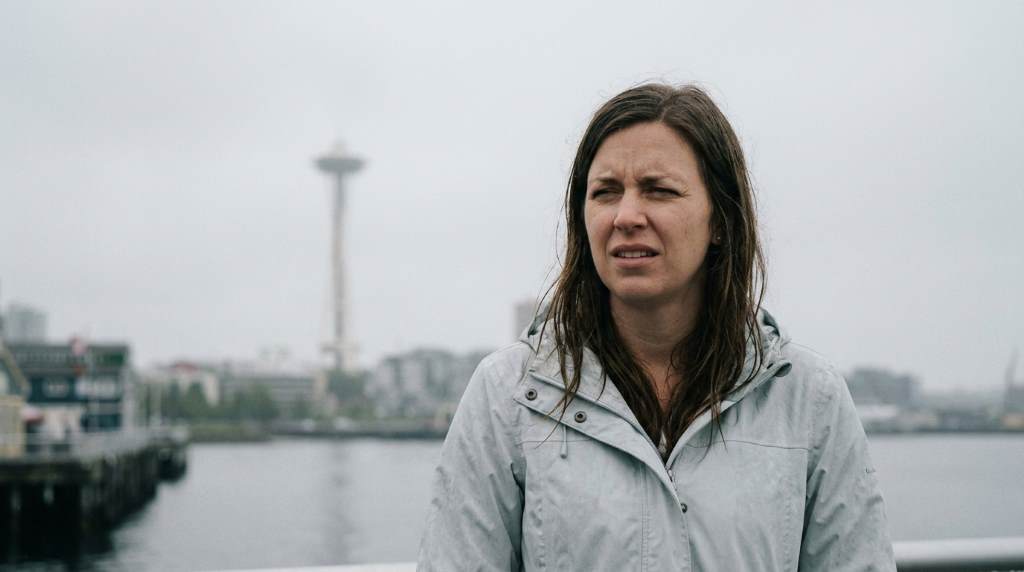
Body Language Creates Natural Portraits
Many awkward portraits result from uncomfortable body positions instead of poor camera quality. Relaxed movement always creates stronger visual storytelling than forced poses.
Ask subjects to shift their weight onto one foot while gently turning the shoulders. Meanwhile, encourage natural breathing before capturing each frame.
Creative professionals also learn from visual presentation events like the Paris audio video show, where lighting and presentation techniques receive significant attention.
Hands should stay busy with natural actions instead of hanging stiffly beside the body. As a result, every portrait feels more authentic and comfortable.
Facial Expressions Matter More Than Expensive Cameras
A genuine smile always looks better than a forced expression held for several seconds. Likewise, relaxed eyes communicate confidence and warmth naturally.
Instead of asking someone to smile immediately, begin a friendly conversation before taking photos. This simple habit often produces genuine emotions without extra effort.
Many photographers also appreciate practical gear recommendations through articles about ear headphones everyday use because comfortable accessories support longer creative sessions.
Encourage laughter, movement, or simple interaction with nearby surroundings during every portrait session. Consequently, expressions become memorable instead of artificial.
Choose Better Backgrounds Around Seattle
Busy streets often distract viewers from the person standing in front of the camera. Instead, search for clean backgrounds that support the portrait naturally.
Parks, waterfront paths, brick walls, and tree lined streets provide balanced visual interest. Therefore, viewers focus on the subject before noticing surrounding details.
Move several steps away from distracting objects behind the subject whenever possible. This adjustment creates better separation without needing expensive lenses.
Camera Angles Can Change Everything
Eye level remains the safest starting point for flattering portraits in almost every situation. However, slight adjustments often improve facial balance dramatically.
Lower camera positions can exaggerate facial proportions and body size unexpectedly. Meanwhile, extremely high angles sometimes reduce confidence and presence.
Take several images from slightly different heights before selecting the strongest composition. This habit increases success without adding significant shooting time.
Wardrobe Choices Influence Portrait Quality
Clothing with loud patterns frequently competes with facial features for visual attention. Solid colors usually produce cleaner and more timeless portraits.
Choose outfits that complement Seattle’s natural surroundings instead of blending into every background. Consequently, the subject stands out without looking unnatural.
Comfortable clothing also encourages relaxed movement throughout the photography session. People naturally appear happier when they feel physically comfortable.
Timing Makes Outdoor Portraits Better
Morning and evening light generally produces softer shadows and warmer skin tones. Therefore, photographers often schedule sessions during these periods.
Midday sunlight creates strong contrast that emphasizes unwanted facial shadows and squinting. Cloud cover sometimes solves this challenge beautifully.
Watch weather forecasts before planning outdoor portraits around Seattle neighborhoods. Preparation often saves valuable shooting time and reduces frustration.
Focus on Communication During Every Session
Many people become nervous whenever someone points a camera toward them. Friendly conversation quickly reduces anxiety and builds trust.
Offer clear directions using simple language instead of overwhelming subjects with complicated instructions. Consequently, everyone feels more relaxed throughout the experience.
Celebrate successful shots during the session because positive feedback increases confidence naturally. Better confidence often creates stronger portraits immediately afterward.
Simple Habits That Improve Portrait Results
- Check the background before every shot.
- Use natural light whenever possible.
- Keep shoulders relaxed.
- Guide gentle movement instead of rigid posing.
- Take multiple photos with slight variations.
- Review images before changing locations.
- Communicate clearly throughout the session.
Common Portrait Mistakes to Avoid
- Standing directly under harsh sunlight.
- Looking straight into bright light.
- Using distracting backgrounds.
- Keeping arms pressed tightly against the body.
- Holding uncomfortable facial expressions too long.
- Ignoring changing weather conditions.
- Relying completely on editing software.
Conclusion
Strong portraits rarely happen through luck because thoughtful preparation creates better photographs every time. Small improvements in lighting, posing, communication, and timing produce noticeable differences quickly.
Practice these techniques consistently during every session until they become natural habits. Start applying these ideas today and create portraits that genuinely reflect confidence, personality, and authentic emotion.
Frequently Asked Questions
Why do my portraits look stiff?
Stiff body language and forced expressions usually create unnatural looking portraits.
What lighting works best for portraits?
Soft natural light during morning or evening usually creates the most flattering results.
Should I use portrait mode on my phone?
Portrait mode works well when lighting and subject positioning are already correct.
How can I make subjects feel comfortable?
Friendly conversation and simple directions help people relax quickly.
Does the background really matter?
Yes, a clean background helps viewers focus naturally on the subject.


