
The seismic shift towards remote work, accelerated in recent years, has found a powerful ally in Artificial Intelligence (AI). As organizations worldwide embrace distributed teams, the demand for robust, intelligent, and efficient cloud-based Software-as-a-Service (SaaS) applications has skyrocketed. AI is no longer a futuristic buzzword in this domain; it’s the engine driving innovation, enhancing productivity, and streamlining workflows for remote employees. From intelligent automation to personalized experiences and advanced security, AI is fundamentally reshaping how we work remotely, making it more seamless, secure, and effective. This article delves into the transformative role of AI in enabling cloud-based SaaS applications for the modern remote workforce.
The integration of AI into SaaS platforms is not merely about adding a few smart features; it’s about creating an ecosystem where technology anticipates needs, automates drudgery, and empowers users to focus on high-value tasks. For remote teams, who often grapple with challenges like communication silos, project tracking complexities, and maintaining engagement, AI-powered SaaS solutions offer a lifeline. These tools are becoming increasingly adept at understanding context, predicting user behavior, and providing proactive assistance, thereby bridging the physical distance and fostering a more connected and productive virtual workspace. As we move further into an era where remote and hybrid models are the norm, the synergy between AI and cloud SaaS will only become more critical for business success.
Related: iApply.ai: Your AI-Powered Job Hunting Companion
Intelligent Automation: Streamlining Remote Workflows and Boosting Efficiency
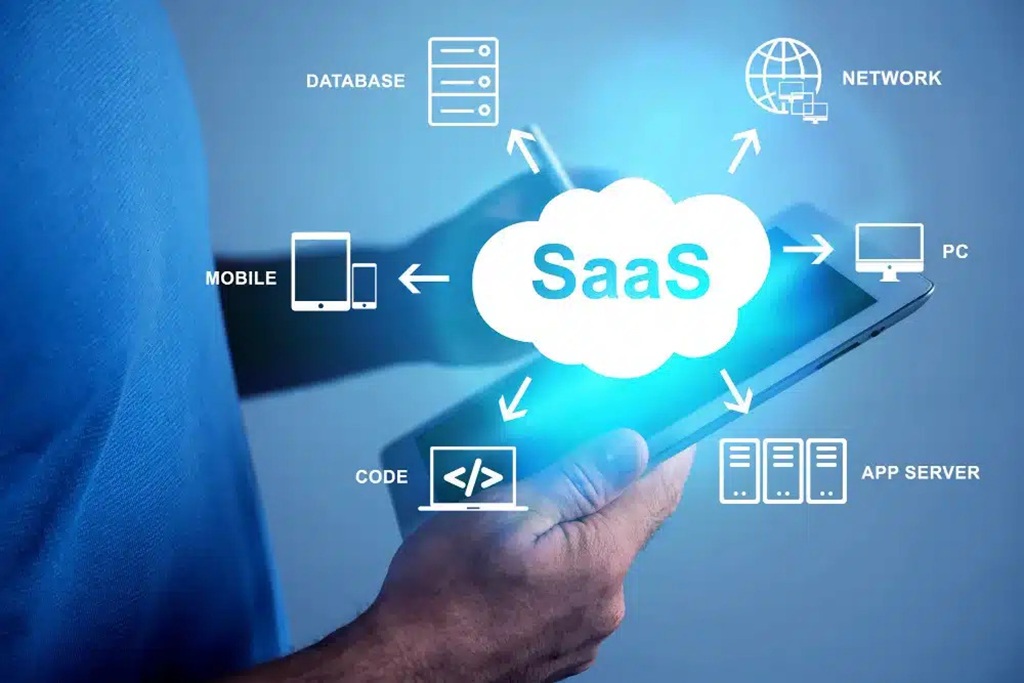
One of the most significant impacts of AI on cloud-based SaaS for remote work lies in intelligent automation. Remote teams often juggle numerous tasks, from scheduling meetings across different time zones to managing complex project pipelines and responding to a barrage of communications. AI steps in to automate these repetitive and time-consuming processes, freeing up valuable time for more strategic and creative endeavors. For instance, AI-powered project management tools can now automatically assign tasks based on team member availability and skill sets, predict potential bottlenecks, and even suggest optimized workflows. This not only improves efficiency but also reduces the chances of human error.
Furthermore, AI-driven automation extends to communication and collaboration platforms. Intelligent chatbots integrated into SaaS tools can handle routine queries, provide instant support, and even summarize lengthy discussion threads, ensuring everyone stays informed without being overwhelmed. Email management tools with AI capabilities can prioritize messages, suggest responses, and manage calendars, significantly reducing the administrative burden on remote employees. Think of AI as a virtual assistant for every team member, adept at handling the mundane so humans can focus on meaningful interaction and innovation. This level of automation is crucial for maintaining productivity and preventing burnout in a remote setting, where the lines between work and personal life can often blur. The ability of AI to learn and adapt means these automation capabilities become increasingly refined and personalized over time, further enhancing their value.
Enhanced Collaboration and Communication: Bridging the Distance with Smart Tools
Effective collaboration and communication are paramount for the success of any remote team, and AI is playing a pivotal role in enhancing these aspects through sophisticated SaaS applications. Traditional communication tools are being augmented with AI functionalities that foster clearer, more efficient, and more inclusive interactions. For example, AI-powered real-time translation services integrated into video conferencing and messaging platforms are breaking down language barriers, enabling global teams to collaborate seamlessly. Noise cancellation and voice enhancement features, driven by AI algorithms, ensure crystal-clear audio quality during virtual meetings, even in less-than-ideal home office environments. These seemingly small improvements have a profound impact on the quality of remote interactions.
Moreover, AI is contributing to more insightful and context-aware collaboration. Sentiment analysis tools can gauge the emotional tone of communications, helping teams to understand underlying feelings and address potential conflicts proactively. AI can also analyze collaboration patterns and suggest improvements, such as identifying individuals who might be underutilized or teams that could benefit from more frequent interaction. Some advanced SaaS platforms are even using AI to generate meeting summaries, action items, and follow-up reminders automatically, ensuring that decisions are translated into tangible outcomes. By providing these intelligent layers on top of standard communication channels, AI is not just facilitating remote work; it’s making it more human-centric and effective, fostering a stronger sense of connection and shared purpose among dispersed team members. The ability to personalize communication styles and content delivery based on individual preferences is another frontier where AI is making significant strides.
People Also Ask (FAQs)
Q1: What specific AI technologies are being used in cloud SaaS for remote work?
A: Several AI technologies are being integrated, including Machine Learning (ML) for predictive analytics and automation, Natural Language Processing (NLP) for understanding and generating human language (e.g., chatbots, translation, sentiment analysis), Computer Vision for tasks like document scanning and video analysis, and Robotic Process Automation (RPA) for automating repetitive digital tasks.
Q2: How does AI improve project management in SaaS tools for remote teams?
A: AI enhances project management by automating task allocation, predicting project timelines and potential delays, identifying resource GAPs, optimizing workflows, facilitating risk assessment, and providing intelligent insights and reports to project managers and team members. It can also personalize task recommendations based on individual skills and workload.
Q3: Can AI in SaaS applications help with employee well-being in a remote setting?
A: Yes, AI can contribute to employee well-being by identifying signs of burnout through workload analysis and communication patterns (with appropriate privacy safeguards). It can also power tools that help manage schedules, reduce digital distractions, and promote work-life balance through personalized recommendations and automated reminders.
Q4: What are the security implications of using AI-powered SaaS for remote work?
A: AI can significantly bolster security in SaaS applications by enabling advanced threat detection, anomaly identification in user behavior, automated incident response, and enhanced data encryption and access control. However, AI systems themselves can be targets or introduce new vulnerabilities if not properly secured and ethically designed, making robust security protocols crucial.
Q5: How is AI personalization impacting SaaS tools for remote employees?
A: AI personalization tailors the user experience within SaaS applications to individual needs and preferences. This can include customized dashboards, personalized learning recommendations, content curation relevant to specific roles, and adaptive interfaces that adjust to user behavior, ultimately improving engagement and productivity for remote workers.
Q6: What are some examples of AI-powered SaaS tools popular for remote work in 2024/2025?
A: While specific brand mentions can vary, categories of tools gaining traction include AI-enhanced video conferencing platforms (e.g., with real-time transcription and translation), intelligent project management software, AI-driven CRM systems, advanced cybersecurity solutions with AI threat detection, and personalized knowledge management platforms. Look for tools emphasizing smart automation, predictive analytics, and enhanced user experience.
Q7: What challenges need to be addressed when implementing AI in cloud SaaS for remote work?
A: Key challenges include ensuring data privacy and security, addressing algorithmic bias, managing the cost and complexity of AI integration, ensuring ethical AI development and deployment, overcoming user resistance to adoption, and the need for upskilling the workforce to effectively utilize AI-powered tools.
Q8: How will AI continue to evolve in the context of remote work SaaS applications?
A: Future developments will likely see more sophisticated AI-driven automation, hyper-personalization of user experiences, more intuitive and conversational interfaces (voice and text), AI-powered predictive insights for business strategy, and potentially AI-generated content assistance becoming even more integrated. We can also expect AI to play a greater role in fostering virtual social cohesion and team building for remote employees.
Related: Why Choosing the Right Technology Stack for Hybrid App Development is Your Key to Success
Conclusion
The journey of AI in enabling cloud-based SaaS applications for remote work is still unfolding, but its impact is already undeniable. From automating routine tasks and fostering more intelligent collaboration to personalizing experiences and bolstering security, AI is empowering remote teams to overcome geographical barriers and achieve new levels of productivity and efficiency. As AI technologies continue to mature and their integration into SaaS platforms becomes more seamless and sophisticated, we can anticipate even more transformative changes in the way we work remotely. The future of remote work is inextricably linked with the continued advancement of AI, promising a landscape where technology not only supports but actively enhances the human experience of work, regardless of location. Embracing these AI-driven solutions will be key for organizations looking to thrive in the evolving world of distributed workforces.