

In the fast-paced digital world, email marketing remains a cornerstone of successful customer engagement and lead nurturing strategies. However, capturing the attention of subscribers and driving conversions requires more than just well-crafted content; it necessitates understanding subscriber behavior and tailoring communication accordingly. This is where the powerful combination of behavioral triggers and AI steps in to revolutionize email marketing.
Understanding Behavioral Triggers
Behavioral triggers are specific actions or inactions taken by subscribers that provide valuable insights into their interests, preferences, and engagement levels. These triggers can range from opening an email and clicking on a link to abandoning a cart or completing a purchase. By closely monitoring these triggers, marketers gain a deeper understanding of their audience and can deliver timely and relevant messages that resonate with subscribers.
The Role of AI in Email Marketing
Artificial intelligence has emerged as a game-changer in various industries, and email marketing is no exception. AI empowers marketers to analyze vast amounts of data, identify patterns, and make data-driven decisions to optimize email campaigns. When applied to behavioral triggers, AI can unlock a new level of personalization and engagement, driving enhanced performance.
Leveraging AI for Behavioral Trigger-Based Email Marketing
1. Personalized Content Delivery:
- AI algorithms can analyze subscriber behavior to identify their interests and preferences. This information can be used to create highly personalized emails tailored to individual subscribers, increasing the likelihood of engagement and conversions.
- For instance, if a subscriber frequently opens emails about a particular product category, AI can recommend similar products or provide exclusive offers related to their interests.
2. Dynamic Segmentation:
- Traditionally, email segmentation relied on static criteria such as demographics or purchase history. However, AI enables dynamic segmentation based on real-time behavioral triggers.
- This means that subscribers can be automatically moved to different segments based on their actions, allowing marketers to deliver highly targeted and relevant content at each stage of the customer journey.
3. Predictive Analytics:
- AI can analyze past behavior to predict future actions, enabling marketers to anticipate subscriber needs and preferences.
- For example, AI can identify subscribers who are likely to churn or become inactive and trigger automated re-engagement campaigns to win them back.
- Similarly, AI can predict which subscribers are most likely to convert and deliver targeted offers or promotions to maximize conversions.
4. Send Time Optimization:
- AI can analyze subscriber behavior to identify the optimal time to send emails to each individual.
- By delivering emails when subscribers are most likely to engage, open rates and click-through rates can be significantly improved.
5. Subject Line Optimization:
- The subject line plays a crucial role in determining whether an email gets opened or not. AI can analyze historical data and subscriber behavior to generate subject lines that are more likely to capture attention and entice subscribers to open the email.
6. Cart Abandonment Recovery:
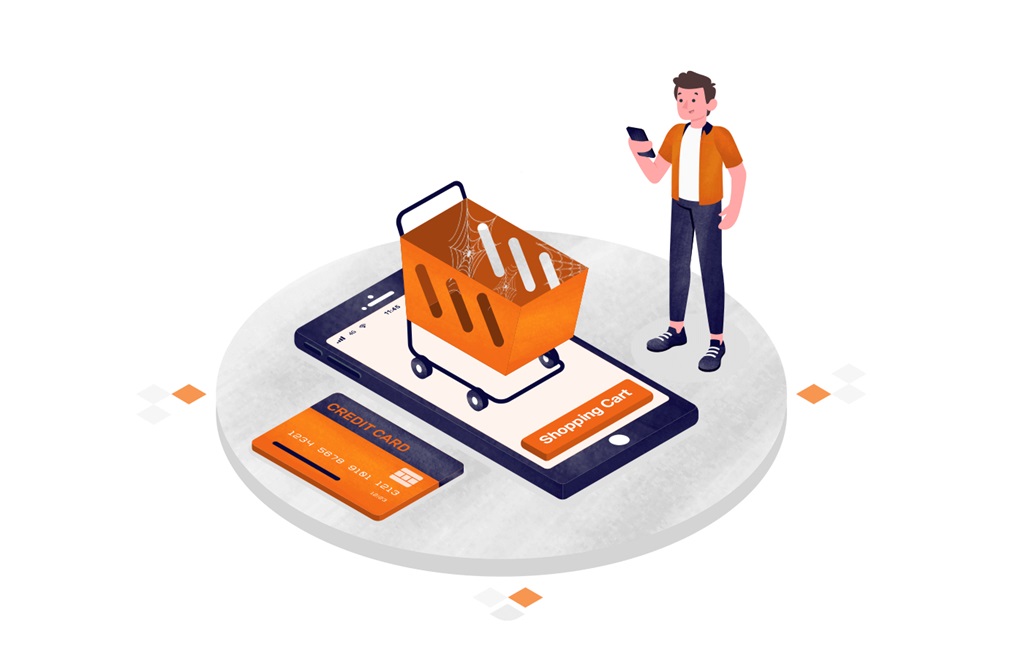
- One of the most common challenges in e-commerce is cart abandonment. AI can trigger automated emails to remind subscribers of their abandoned carts and incentivize them to complete their purchases.
- Personalized recommendations or limited-time offers can further increase the effectiveness of these emails.
Related: Email’s Evolution in the AI Era: More Than Just Messages
7. Browse Abandonment Campaigns:
- AI can track subscriber browsing behavior on a website and trigger targeted emails based on products or categories they viewed but didn’t purchase.
- This helps to re-engage subscribers and remind them of their interest in specific products.
8. Post-Purchase Engagement:
- AI can trigger automated emails to thank subscribers for their purchases, provide order updates, and solicit feedback.
- This not only improves customer satisfaction but also provides valuable insights into customer experience and product preferences.
9. Win-Back Campaigns:
- AI can identify subscribers who have become inactive or disengaged and trigger automated win-back campaigns.
- These campaigns can offer exclusive discounts, personalized recommendations, or other incentives to re-engage subscribers and reignite their interest in the brand.
Best Practices for Implementing Behavioral Trigger-Based Email Marketing with AI
- Set Clear Objectives: Define your email marketing goals and identify the key performance indicators (KPIs) you want to track.
- Choose the Right AI Tools: Evaluate different AI-powered email marketing platforms and select the one that best suits your needs and budget.
- Start Small: Begin with a few simple behavioral triggers and gradually expand your efforts as you gain more experience and data.
- Test and Optimize: Continuously test different variations of your emails, subject lines, and calls to action to optimize performance.
- Monitor Results: Track your KPIs and analyze the impact of your behavioral trigger-based email campaigns.
Conclusion
Behavioral triggers in email marketing, when combined with the power of AI, offer a powerful strategy to enhance engagement, drive conversions, and foster customer loyalty. By understanding subscriber behavior and tailoring communication accordingly, marketers can deliver timely and relevant messages that resonate with their audience.
AI-powered tools enable marketers to personalize content, segment audiences dynamically, predict future actions, and optimize email campaigns for maximum impact. As AI technology continues to evolve, we can expect even more sophisticated applications in the future, further revolutionizing email marketing and helping businesses achieve their goals.
Remember, the key to success lies in continuous experimentation, optimization, and a customer-centric approach. By leveraging AI and behavioral triggers effectively, email marketers can unlock new levels of engagement and drive sustainable business growth.


