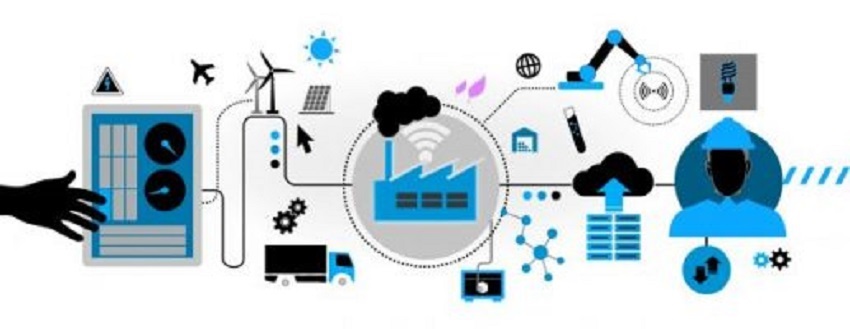

The healthcare industry, traditionally known for its slower pace of technological adoption, is now undergoing a rapid digital transformation. This shift, driven by advances in technology and increasing patient expectations, is bringing about significant changes that promise to reshape the way healthcare is delivered. This article explores the key benefits of digital transformation in the healthcare industry, highlighting the positive impact it has on patients, providers, and the overall system.

Enhanced Patient Experience
Digital transformation is putting patients at the center of their healthcare journey. By leveraging technologies such as online portals, mobile applications, and telehealth services, patients gain greater control over their health information and access to care. They can easily book appointments, review medical records, and communicate with providers remotely, improving convenience and saving valuable time.
Furthermore, digital tools enable personalized care through the collection and analysis of patient data. This information empowers healthcare providers to tailor treatment plans and offer proactive interventions, leading to better outcomes and improved patient satisfaction.
Improved Operational Efficiency
Digital transformation is streamlining operations in the healthcare industry, leading to increased efficiency and cost savings. By digitizing administrative processes such as appointment scheduling, billing, and medical record management, healthcare providers can reduce paperwork and minimize manual errors. This frees up staff time to focus on patient care, improving productivity and reducing administrative burden.
Additionally, digital tools enable better coordination and communication among healthcare providers. Secure messaging platforms, shared electronic health records, and telemedicine consultations facilitate seamless collaboration, leading to faster diagnosis, more efficient treatment, and improved continuity of care.
Data-Driven Insights and Decision-Making
Digital transformation is generating vast amounts of healthcare data, which can be leveraged to gain valuable insights and inform decision-making. By utilizing analytics tools and artificial intelligence, healthcare providers can identify patterns, trends, and potential risks within patient populations. This enables them to develop targeted interventions, improve preventive care, and enhance population health management.
Furthermore, data-driven insights can support clinical research and development. By analyzing large datasets, researchers can identify potential new treatments, evaluate the effectiveness of existing therapies, and accelerate the development of innovative solutions. This has the potential to revolutionize the way diseases are diagnosed, treated, and prevented.
Enhanced Access to Care
Digital transformation is breaking down barriers to care, particularly in remote or underserved areas. Telemedicine consultations, remote patient monitoring, and online health education resources enable individuals to access quality healthcare services regardless of their location. This improves health equity and reduces disparities in care, ensuring that everyone has the opportunity to receive the care they need.
Moreover, digital tools enable greater patient engagement and empowerment. By providing access to health information, self-management tools, and online communities, individuals can take a more active role in their health and make informed decisions about their care. This leads to improved self-care, reduced reliance on emergency services, and better overall health outcomes.
Read More Also: Gaming Trends to Watch Out For in 2024
Innovative Solutions and Future Possibilities
Digital transformation is driving innovation in the healthcare industry, paving the way for new and exciting possibilities. Technologies such as artificial intelligence, machine learning, and robotics are transforming the way healthcare is delivered. AI-powered diagnostic tools can analyze medical images with greater accuracy and speed, while robotics can assist in complex surgical procedures, leading to improved outcomes and reduced recovery time.
Furthermore, wearable devices, remote sensors, and other connected technologies are enabling continuous patient monitoring and real-time data collection. This information can be used to predict and prevent health complications, personalize treatment plans, and empower individuals to take control of their health.
Challenges and Considerations
While the benefits of digital transformation in the healthcare industry are undeniable, there are also challenges and considerations that need to be addressed. Ensuring data security and privacy is paramount, as sensitive patient information must be protected from unauthorized access or breaches. Healthcare providers must invest in robust cybersecurity measures and comply with relevant regulations to maintain patient trust and confidentiality.
Additionally, the implementation of digital technologies requires significant investment in infrastructure, training, and change management. Healthcare providers must ensure that their staff have the necessary skills and knowledge to effectively utilize digital tools and adapt to new workflows. Adequate training and ongoing support are essential to ensure a smooth transition and maximize the benefits of digital transformation.
Conclusion
Digital transformation is revolutionizing the healthcare industry, bringing about significant benefits for patients, providers, and the overall system. From enhanced patient experience and improved operational efficiency to data-driven insights and innovative solutions, the positive impact of digital technologies is undeniable.
By embracing digital transformation, healthcare providers can create a more patient-centric, efficient, and effective healthcare system. The journey may be challenging, but the potential rewards are immense. As technology continues to advance, the possibilities for improving healthcare through digital transformation are endless, promising a brighter and healthier future for all.