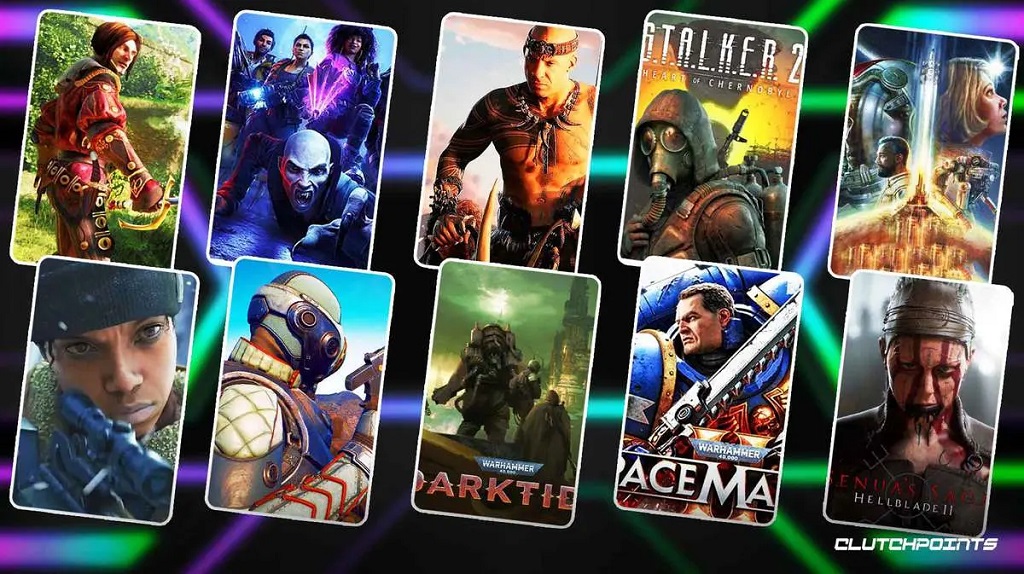

The gaming industry is in a state of perpetual evolution, with new technologies, platforms, and trends emerging at a breakneck pace. As we venture further into 2024, it’s crucial to keep an eye on the horizon and anticipate the developments that will shape the future of gaming.
The Rise of Cloud Gaming

Cloud gaming, often referred to as gaming-on-demand or gaming as a service (GaaS), is poised to revolutionize the way we play. This technology allows users to stream games directly from remote servers, eliminating the need for expensive hardware and lengthy downloads.
- Accessibility and Convenience: Cloud gaming breaks down the barriers to entry, making high-quality gaming experiences accessible to a wider audience. With just an internet connection and a compatible device, players can dive into the latest titles without investing in a powerful gaming rig.
- Platform Agnosticism: The cloud transcends the traditional console wars, enabling seamless cross-platform play. Gamers can access their favorite titles on various devices, including smartphones, tablets, laptops, and smart TVs.
- Subscription Services: The rise of subscription-based cloud gaming services, such as Google Stadia, Xbox Game Pass Ultimate, and GeForce Now, offers an affordable alternative to purchasing individual games.
The Metaverse: Gaming’s Next Frontier
The metaverse, a virtual universe where users can interact with each other and digital objects in a shared space, is emerging as the next frontier for gaming.
- Immersive Experiences: The metaverse promises to blur the lines between the physical and digital worlds, offering unparalleled immersion. Players can create avatars, explore virtual landscapes, engage in social interactions, and participate in a variety of activities within these interconnected virtual environments.
- User-Generated Content: The metaverse empowers players to become creators, building and sharing their own virtual worlds, experiences, and assets. This democratization of content creation fosters a vibrant and dynamic ecosystem.
- Economic Opportunities: The metaverse presents a vast economic landscape, with opportunities for players to monetize their creations, trade virtual goods, and participate in a decentralized economy.
Esports: The Mainstream Spectacle
Esports, competitive video gaming at a professional level, continues its meteoric rise, capturing the attention of millions of viewers worldwide.
- Increased Viewership: Esports tournaments now rival traditional sporting events in terms of viewership and engagement. Major platforms like Twitch and YouTube Gaming provide platforms for fans to follow their favorite teams and players.
- Brand Partnerships: Esports’ growing popularity has attracted significant investment from major brands, leading to lucrative sponsorships and partnerships.
- Career Opportunities: Esports offers a viable career path for talented gamers, with professional teams and leagues providing salaries, training facilities, and support staff. For those interested in games like Black and White 3, the industry is expanding rapidly, creating even more opportunities. To explore this career path further, especially in relation to specific games, you can read more about the growing support systems within esports.
Virtual Reality (VR) and Augmented Reality (AR): Enhanced Immersion
VR and AR technologies continue to mature, offering increasingly immersive and interactive gaming experiences.
- VR Headsets: Advancements in VR headsets, such as the Oculus Quest 2 and PlayStation VR2, provide more comfortable and accessible experiences, with improved visuals, tracking, and haptics.
- AR Gaming: AR gaming, which overlays digital content onto the real world, offers a unique blend of physical and virtual interaction. Games like Pokémon Go and Ingress have demonstrated the potential of AR to create engaging and location-based experiences.
Artificial Intelligence (AI) and Machine Learning (ML): Smarter Games
AI and ML are transforming the way games are designed, developed, and played.
- Procedural Generation: AI can create vast and dynamic game worlds, generating unique landscapes, characters, and quests, providing players with endless exploration and replayability.
- Non-Player Characters (NPCs): AI-powered NPCs exhibit more realistic and complex behaviors, leading to more immersive and challenging interactions.
- Dynamic Difficulty Adjustment: AI can adapt the game’s difficulty in real-time, ensuring a balanced and engaging experience for players of all skill levels.
Mobile Gaming: The Ever-Present Platform
Mobile gaming remains a dominant force in the industry, driven by the ubiquity of smartphones and tablets.
- Casual and Hypercasual Games: Simple, accessible, and addictive games continue to thrive on mobile platforms. Titles like Among Us and Candy Crush Saga have captured the attention of millions of players.
- Cloud Gaming on Mobile: Cloud gaming services are increasingly targeting mobile devices, offering high-quality gaming experiences without the need for powerful hardware.
- 5G Connectivity: The rollout of 5G networks promises faster speeds and lower latency, enabling seamless mobile gaming experiences, even for demanding titles.
Cross-Platform Play: Breaking Down Barriers
Cross-platform play, the ability to play with friends on different platforms, is becoming increasingly prevalent, fostering a more connected and inclusive gaming community.
- Console and PC Integration: Major titles like Fortnite and Call of Duty: Warzone support cross-platform play between consoles and PCs, allowing players to team up and compete regardless of their platform of choice.
- Cloud Gaming’s Role: Cloud gaming services inherently facilitate cross-platform play, as games are streamed from remote servers, eliminating hardware limitations.
Sustainability in Gaming
The gaming industry is becoming increasingly aware of its environmental impact, with developers and publishers exploring ways to create more sustainable practices.
- Energy-Efficient Hardware: The development of energy-efficient consoles and PCs reduces power consumption and carbon emissions.
- Digital Distribution: The shift towards digital distribution reduces the need for physical packaging and transportation, lowering the industry’s environmental footprint.
- In-Game Initiatives: Some games incorporate environmental themes and encourage players to make sustainable choices within the virtual world.
Gaming for Social Good
Gaming is increasingly being leveraged for social good, raising awareness and funds for important causes.
- Charity Streams: Streamers and content creators often host charity streams, raising millions of dollars for various organizations.
- Educational Games: Games are being used to teach valuable skills, promote STEM education, and raise awareness of social issues.
- Mental Health and Well-being: Gaming communities provide a sense of belonging and support, particularly for individuals who may feel isolated or marginalized.
The Continued Growth of Indie Games
Independent developers continue to push the boundaries of creativity and innovation, delivering unique and compelling experiences.
- Digital Storefronts: Platforms like Steam, Epic Games Store, and itch.io provide indie developers with a direct channel to reach players, fostering a vibrant and diverse marketplace.
- Crowdfunding: Platforms like Kickstarter and Indiegogo empower indie developers to secure funding directly from their communities, enabling them to bring their visions to life.
- Critical Acclaim: Indie games often garner critical acclaim and awards, demonstrating the power of independent creativity and storytelling.
Conclusion
The gaming landscape of 2024 is brimming with exciting possibilities. As technology advances, new platforms emerge, and player expectations evolve, the industry is poised for continued growth and transformation.
From the rise of cloud gaming and the metaverse to the mainstreaming of esports and the increasing sophistication of AI, these trends will shape the future of gaming, offering unprecedented levels of immersion, accessibility, and social connection.
As gamers and industry professionals, it’s essential to stay informed and adapt to these evolving trends, embracing the opportunities they present and contributing to the vibrant and dynamic world of gaming. The future of gaming is bright, and we’re all invited to be a part of this exciting journey.